

Lexus RX 350: Smooth Rides and Quiet Cabins
What makes this SUV stand out for long drives. Comfort features, suspension feel, and why it's popular with Vancouver drivers who want refinement without compromise.
Why the RX 350 Gets Picked for Long Journeys
You'll notice the difference within the first ten minutes. The RX 350 doesn't just absorb bumps—it manages them. The suspension is tuned specifically to isolate road imperfections while keeping the SUV planted and responsive. That's a tricky balance to get right, and Lexus has invested serious engineering effort into it.
The seats are where comfort really becomes apparent. They're not just soft; they're intelligently designed. The lumbar support adjusts to your spine's natural curve, and there's enough side bolstering to keep you centered through turns without feeling locked in. Most drivers report that they can go 3-4 hours without needing a break, which is genuinely impressive for an SUV in this class.
The RX 350 doesn't fight you on long drives. It works with your body's natural needs for support and movement.
What's really thoughtful is the attention to detail in the cabin. The door seals are thick and engineered to minimize wind noise. The acoustic laminating in the windshield cuts highway drone by a noticeable amount. Even at 110 km/h, you're having a conversation at normal volume—not shouting over the road.
The Suspension Story
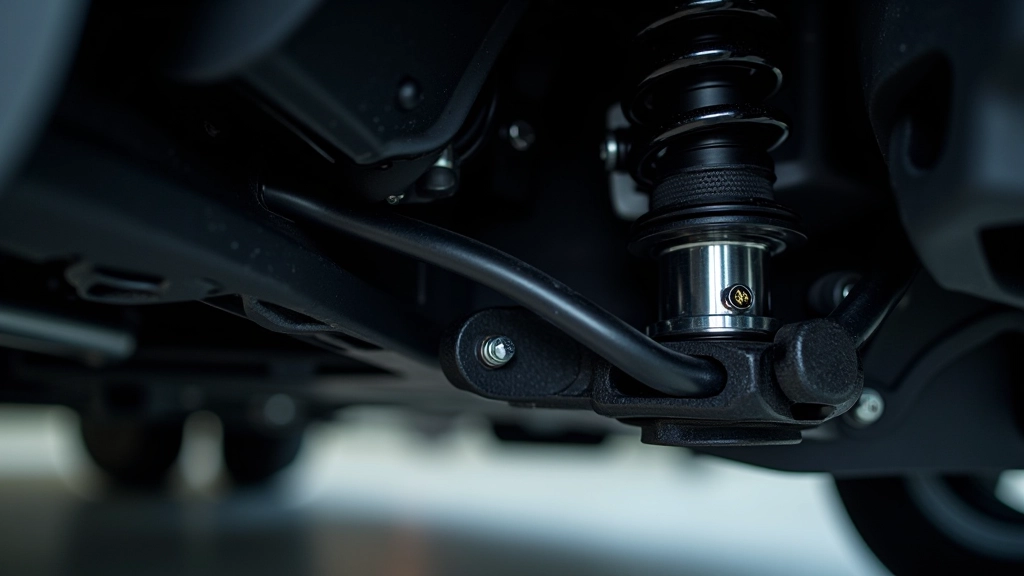
The RX 350 uses a double-wishbone independent front suspension paired with a multi-link rear. This setup is more complex than what you'll find on many competitors, and that complexity pays off in ride quality.
Potholes don't send a shudder through your spine. Expansion joints in highways don't create that jarring thump. Instead, you get a consistent, controlled motion that feels like the SUV is gliding. The dampers adjust in real-time to road conditions, which means the ride stays smooth whether you're on Vancouver's well-maintained streets or rougher rural roads.
And it's not soft in a way that makes the SUV feel sloppy. You've still got confidence in corners. The suspension keeps body roll minimal, and the steering feedback is direct without being twitchy.
About This Review
This article provides informational observations about the Lexus RX 350's comfort features and design. Individual experiences vary based on driving habits, road conditions, and personal preferences. We recommend scheduling a test drive with a local Lexus dealer to evaluate how this vehicle meets your specific comfort needs.
Climate Control That Actually Works
The climate system in the RX 350 isn't just about temperature. It's about precision. There are four independent zones—driver, front passenger, and two rear sections. But here's what makes it genuinely useful: the heated and cooled seats respond independently from the cabin air temperature.
In winter, you can warm the seats while keeping the cabin temperature cooler. In summer, you can cool the seats while the air conditioning handles the broader cabin space. This matters more than it sounds. Your body feels comfortable faster, and the HVAC system doesn't have to work as hard, which means quieter operation.

Air Quality and Filtration
The cabin air filter is rated to capture 99.97% of particles down to 0.3 microns. That's HEPA-grade filtration. If you're sensitive to pollen or air quality matters to you, this is significant.
The system also includes an ionizer that releases negative ions to reduce odors and freshen the cabin air. It's subtle—you won't feel a blast of anything—but over time you'll notice the cabin stays fresher than most vehicles.
Visibility and Control Layout
Comfort isn't just physical. It's mental. Knowing where everything is and being able to see clearly around you reduces fatigue on longer drives. The RX 350 excels at both.
The windshield is generous without being overwhelming. The side windows are positioned so you get clear sightlines without needing to stretch. The mirrors are large enough to eliminate most blind spots, and the backup camera display is sharp and color-accurate—helpful when parking in Vancouver's tighter spots.
The control layout is logical. Climate controls are on the left, audio/media on the right, with the main touchscreen centrally positioned. Most drivers find they can adjust something without taking their eyes off the road for more than a second. That matters during highway driving when you're tired or dealing with weather.
Noise Insulation Details
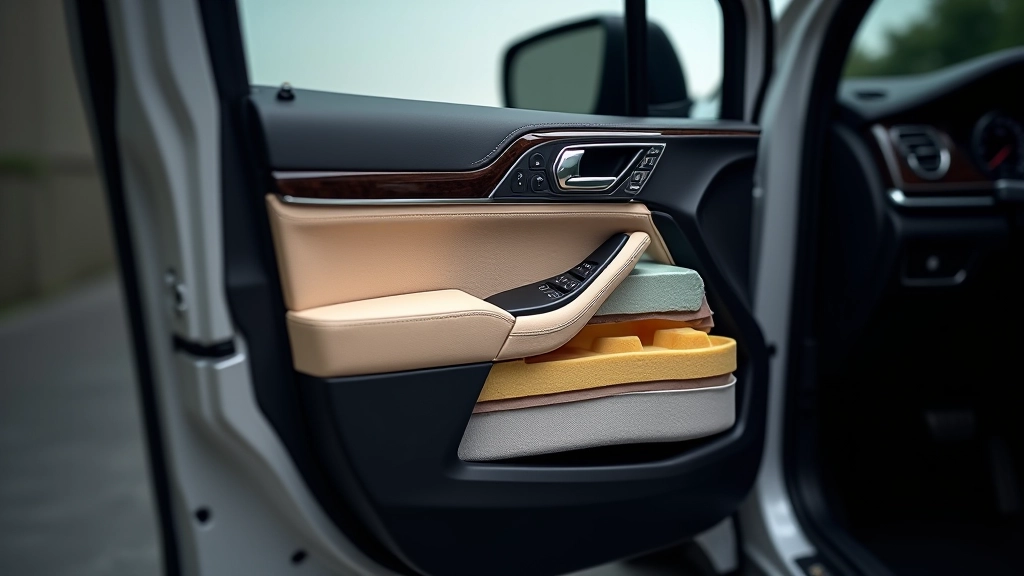
Lexus has layered sound deadening throughout the cabin. The floor is insulated. The firewall between engine and cabin is thick. The door panels have multiple layers of acoustic material.
At highway speeds, you'll hear the tire noise and occasional wind sound, but engine noise is muted. The overall cabin sound level is approximately 65-68 decibels at 100 km/h. That's genuinely quiet for an SUV—comparable to luxury sedans.
Why This Matters for Longer Drives
Comfort on long drives isn't about luxury—it's about arriving without fatigue. You don't get back pain from the seats. You don't get a headache from road noise. You're not adjusting climate controls constantly. Your hands don't hurt from gripping the steering wheel because feedback is responsive but not tiring.
The RX 350 gets these details right. It's why it's popular with drivers doing regular runs between Vancouver and Calgary, or for those making frequent trips to the coast. The engineering isn't flashy. It's just consistently thoughtful.
The Bottom Line
If you're looking for an SUV that prioritizes long-distance comfort without sacrificing handling or visibility, the RX 350 delivers. The suspension is refined, the cabin is genuinely quiet, and the seats support your body in ways you'll appreciate after several hours on the road.
It's not the cheapest option, and it's not the flashiest. But it's the one that gets you there feeling fresher than you would in most vehicles at this price point. For drivers in Western Canada who value comfort alongside reliability, that's compelling.
Want to experience the comfort features yourself?
Schedule a Test Drive