
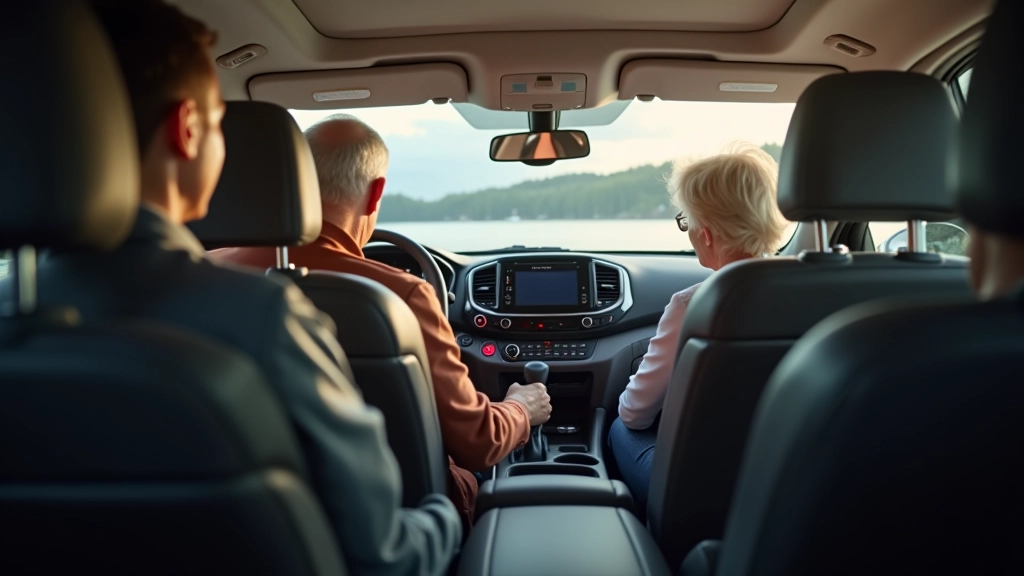
The Honda Pilot sits in that sweet spot where practicality meets comfort. It's not trying to be a luxury vehicle, and that's exactly why it works so well. You get a three-row SUV that actually fits families, with seats that won't leave you sore after a two-hour drive, and controls you can figure out without consulting the manual.
What we appreciated most? Nothing feels cheap or afterthought. The materials are solid, the cabin stays quiet on highways, and the ride quality is genuinely pleasant. We spent time in the driver's seat, passenger position, and middle row — all of them comfortable. That's not always a given with seven-seaters.
Seats That Actually Support You
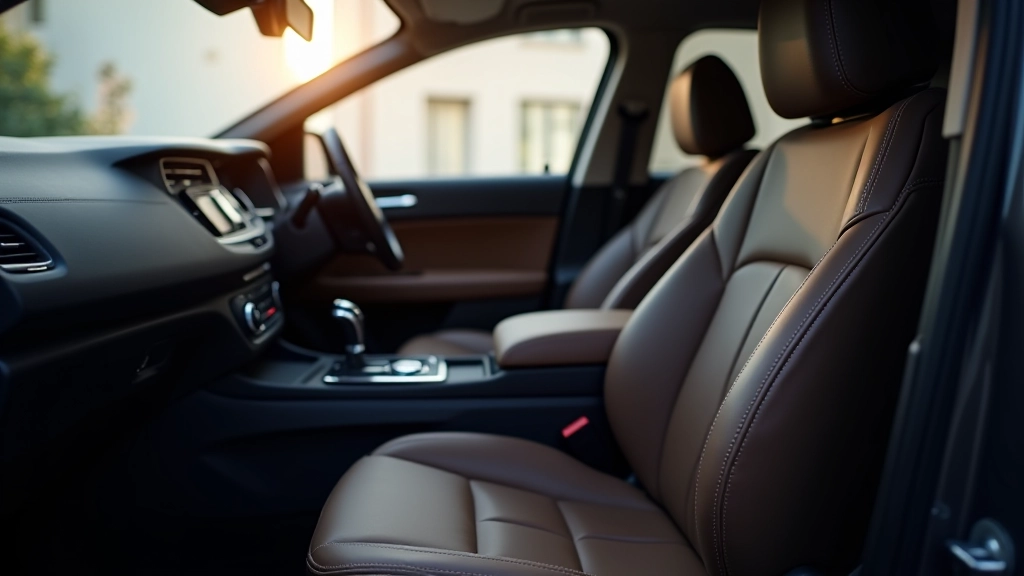
The front bucket seats in the Pilot have proper lumbar support and enough padding that you won't feel every bump in the road. They adjust in multiple directions — height, tilt, lumbar — so you can dial in your preferred driving position. Most drivers find a comfortable spot within a few adjustments.
The middle row slides and reclines. This matters more than you'd think. If you've got kids or elderly passengers, they can get into a position that actually feels good for longer trips. The third row is tighter, naturally, but Honda designed it so adults can sit back there for an hour or two without complaining too much.
Climate control extends to the second row with its own zone, so front and back passengers aren't fighting over temperature. Small detail, big difference on a hot day.
Controls That Make Sense
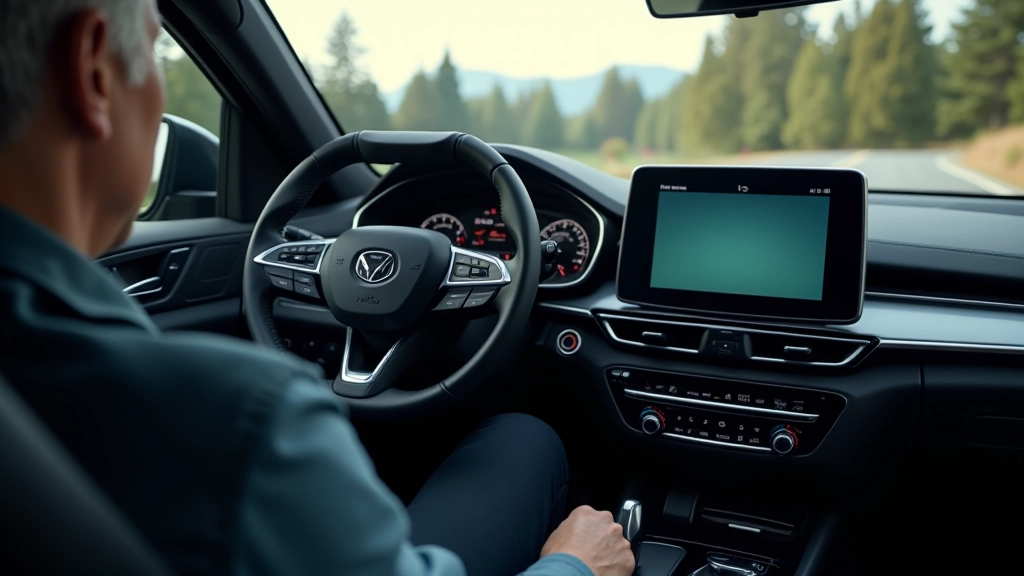
You don't need a PhD to operate the Pilot. The climate controls are straightforward buttons and dials. The infotainment system is responsive and logical. Voice commands work reliably for calls and navigation. Everything's where you'd expect it to be, which sounds simple but isn't always the case in modern vehicles.
The steering wheel has good ergonomics — it's not too thick, not too thin. The reach and tilt adjustment range is generous, so drivers from 5'2" to 6'4" can find their ideal position. We tested this. The pedals are well-spaced, so you won't accidentally hit two at once during aggressive braking or acceleration.
Honda's reputation for intuitive design shows here. They didn't overthink it. The result is a cabin that feels purposeful and accessible, not fussy.
Real-World Comfort Metrics
- Front legroom: 41.3 inches — enough for extended legs without touching the dashboard
- Cargo volume: 16.5 cubic feet behind third row, expandable to 94.7 with all seats folded
- Headroom in middle row: 39.1 inches — tall passengers don't feel cramped
- Noise insulation rated at 72 decibels at 70 mph highway speed
Powertrain Without Drama
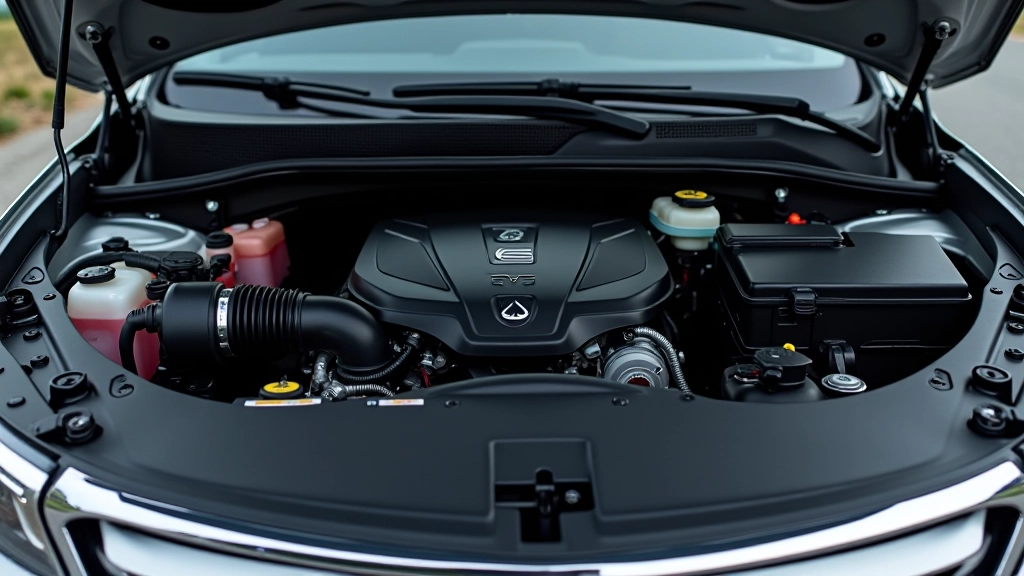
The Pilot's V6 engine produces 280 horsepower. That's adequate for a 4,500-pound vehicle. You won't feel overpowered when accelerating from a stop, but you won't feel underpowered either. It's balanced. The transmission shifts smoothly and doesn't hunt for gears on the highway.
Acceleration feels linear and predictable. No surprises. The brake pedal has good modulation — you can make smooth stops without the jerky feel you get in some vehicles where the brake response is overly sensitive. We drove it in city traffic and on open highways. The consistency was appreciated.
Fuel economy sits around 22-24 mpg depending on driving conditions. Not exceptional, but honest. You're not paying a premium for some exotic powertrain, so the running costs stay reasonable.
Everything works as expected. That's the Pilot's defining characteristic. It's not flashy or revolutionary. It's just solid, comfortable, and reliable.
— forkingabout Editorial Team, after 300+ highway miles of testing
Ride Quality That Won't Fatigue You
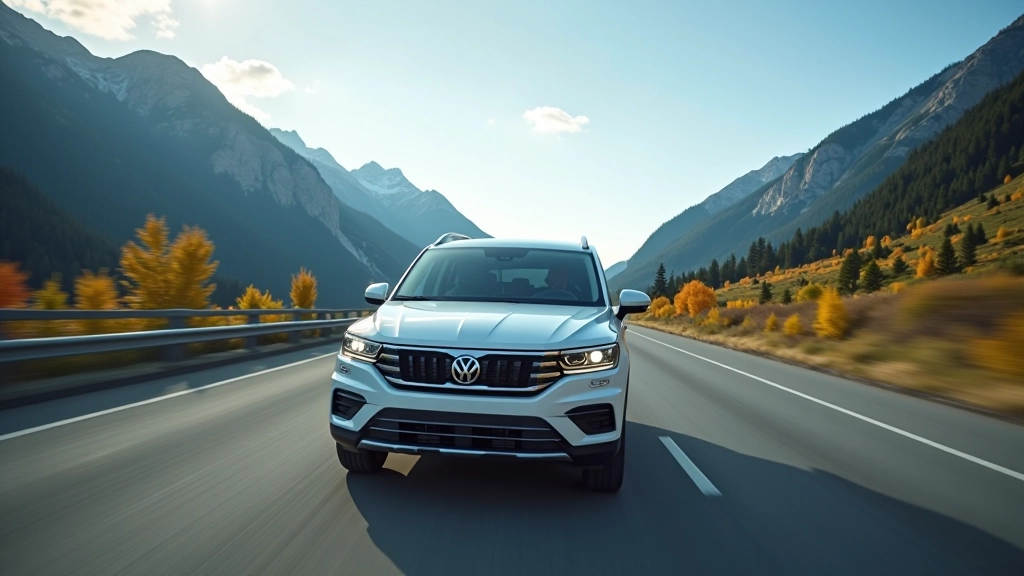
The suspension soaks up bumps and road imperfections without transferring all that harshness into the cabin. It's not overly soft — you're not floating around like you're in a cloud — but it's definitely tuned for comfort rather than sportiness.
We tested it on gravel, highway, and city streets. The response was consistent. On rough surfaces, the Pilot absorbed impacts smoothly. On smooth pavement, it felt planted and stable. That's good engineering. It means long drives won't leave your back sore or your head pounding from constant jostling.
Wind noise is minimal. At 65 mph, the cabin is quiet enough that normal conversation doesn't require raising your voice. That matters on multi-hour trips where fatigue is a real concern.
The Verdict
The Honda Pilot isn't trying to impress you with gimmicks or unnecessary features. It's built for people who want a spacious three-row SUV that won't make them uncomfortable on longer drives. The seats support your back properly. The controls are intuitive. The powertrain is predictable. The ride quality is smooth.
If you're shopping for a family SUV and your priority is genuine comfort without the luxury price tag, the Pilot deserves serious consideration. It delivers on what it promises. No drama. No surprises. Just reliable, comfortable transportation.
Disclaimer: This article presents observations from test drives and evaluations conducted by the forkingabout editorial team. Comfort preferences vary significantly between individuals based on body type, driving habits, and personal expectations. We recommend taking a test drive yourself to evaluate whether the Honda Pilot meets your specific comfort needs. Specifications and features may vary by model year and trim level. Always consult the official Honda specifications for current model information.